German News 2026: Goethe, TestDaF, Visa & Study Updates
Latest 2026 updates on German exams, visa and citizenship rules, study in Germany, and work opportunities for international learners and applicants.
Track verified timelines, policy changes, and exam-related developments in one place. Browse the newest stories below or use the filters in the full page experience to narrow by recency.
GoetheTestDaFVisa RulesCitizenshipStudy in Germany
I looked into what happens after a work visa rejection in 2026: the Ablehnungsbescheid, the one-month deadline, and how the simplified Widerspruch (objection) and Remonstration work for skilled worker...
I looked at the 2024/2025 family reunification reforms: skilled workers who got their first residence permit on or after March 1, 2024 can under certain conditions bring their parents (and parents-in-...
I looked at the 2026 rule change: the Vorrangprüfung (priority check) for vocational training is waived under the Fachkräfteeinwanderungsgesetz, so non-EU applicants no longer compete against a "local...
I looked at how the 2026 Chancenkarte quota works, where to find how many spots are left (BAMF, Make-it-in-Germany, Destatis), and how to time your application. Plus the 2026 points breakdown, Sperrko...
I looked at the 2026 Jus Soli rules so expat parents know when their baby gets a German passport: 5 years legal residence + permanent status (e.g. Niederlassungserlaubnis) at birth. Optionspflicht is ...
I looked at why Section 21 (§21 AufenthG) is having a moment in 2026: digitization, clearer rules after the Fachkräfteeinwanderungsgesetz, and better acceptance of remote work. Who qualifies (Freiberu...
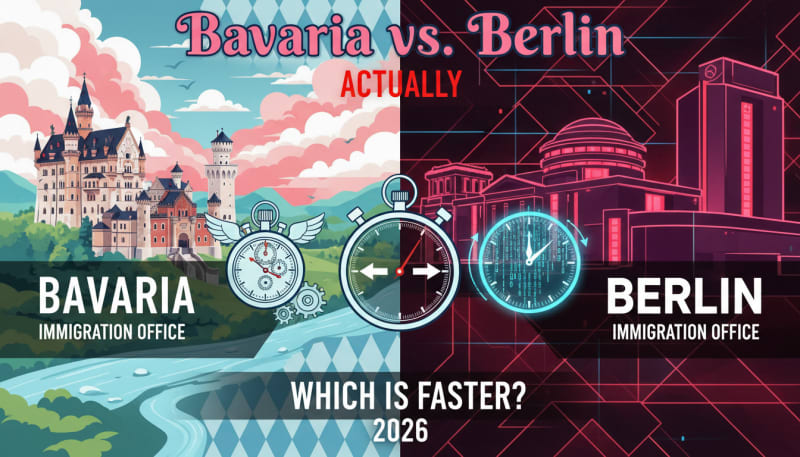
I looked at 2025/2026 trends for the Berlin LEA and Bavarian offices (Munich, Nuremberg). Bavaria wins on raw speed—especially outside Munich—but Berlin wins on peace of mind with instant Fiktionsbesc...
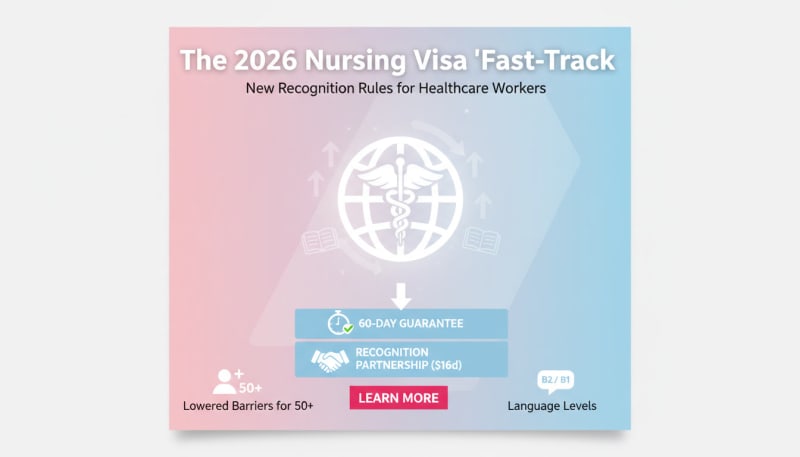
As of early 2026, Germany has rolled out the final phase of the Skilled Immigration Act (Fachkräfteeinwanderungsgesetz), introducing a streamlined Fast-Track for nursing recognition. The 60-day recogn...
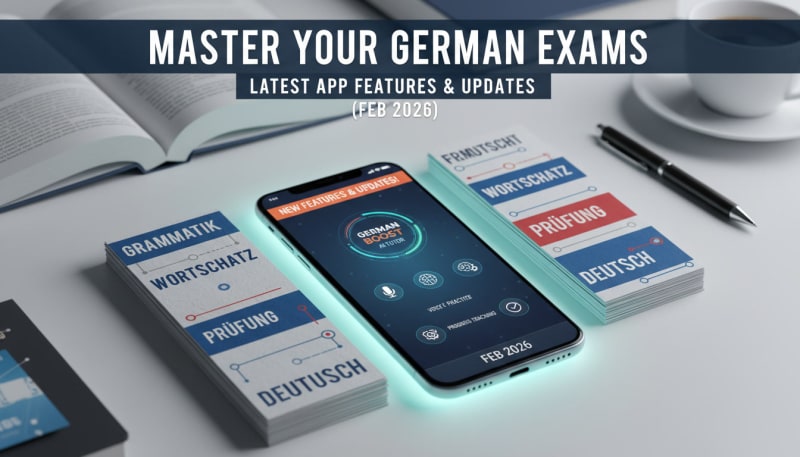
As of February 2026, top German exam apps have rolled out major updates: TestGerman.de offers rubric-based AI feedback for Goethe and telc; DeutschExam.ai launched a mobile-optimized view for A1–B2; D...
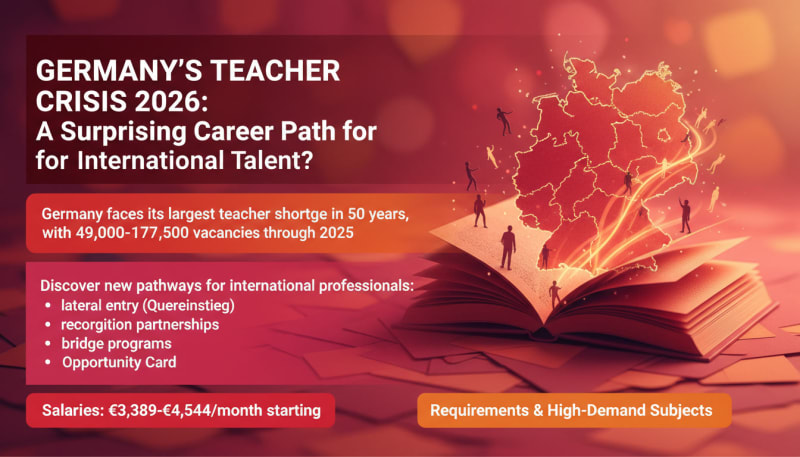
Germany faces its largest teacher shortage in 50 years, with 49,000-177,500 vacancies through 2035. Discover new pathways for international professionals: lateral entry (Quereinstieg), recognition par...
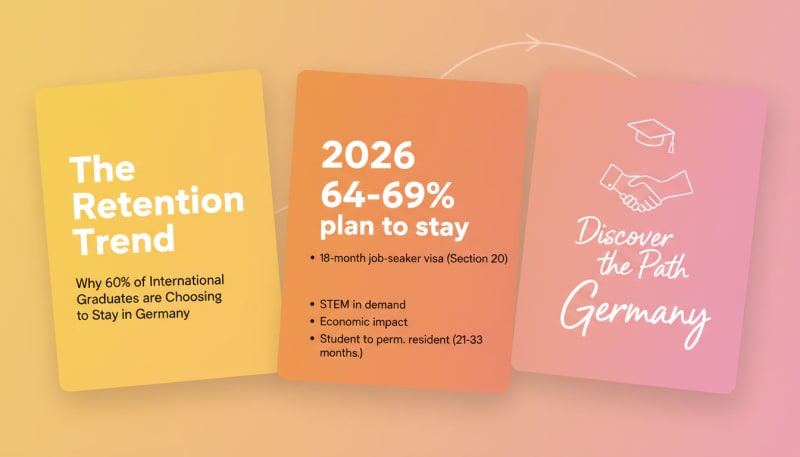
In 2026, 64-69% of international students plan to stay in Germany after graduation. Discover the 18-month job-seeker visa (Section 20), why STEM graduates are in high demand, the economic impact of re...
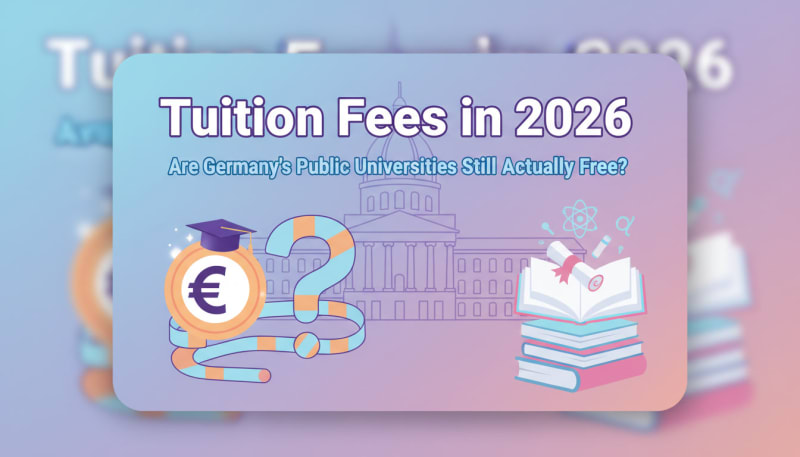
Germany's tuition-free model is shifting in 2026. While most public universities remain free, Bavaria (TUM, TH Ingolstadt) and Baden-Württemberg now charge non-EU students. Learn the new fees, state-b...
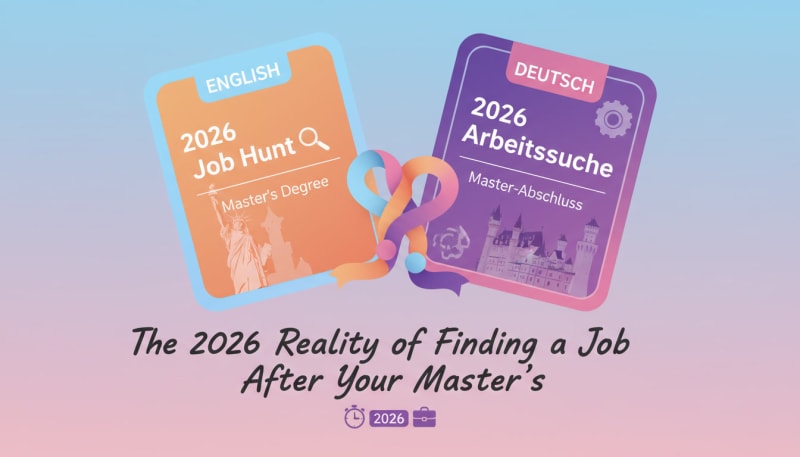
Germany offers over 2,400 English-taught Master's programs, but the job market still requires German. Learn the reality: while English gets you into the lecture hall, German remains the key to the off...
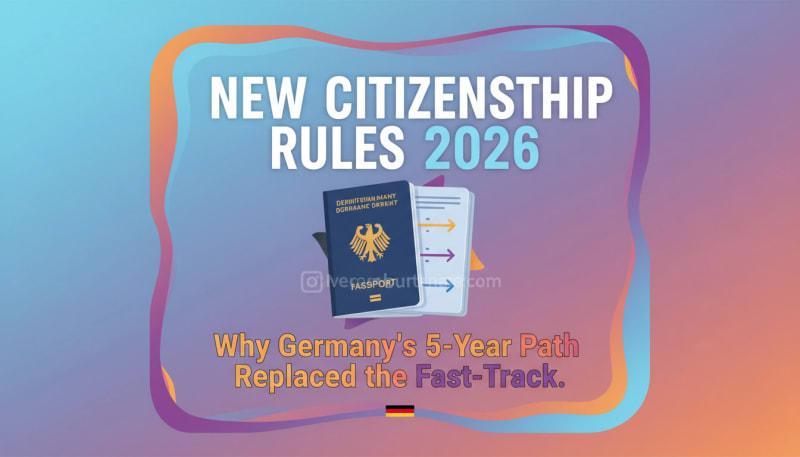
In October 2025, Germany abolished the 3-year "fast-track" naturalization pathway, making a minimum 5-year residency the standard requirement for most applicants as of early 2026. Learn why this chang...
Germany faces 750,000+ skilled worker shortages in 2026, with highest demand in AI, Green Tech, and Engineering. Discover the top degrees, guaranteed job roles, salary ranges, and streamlined immigrat...
Germany updated EU Blue Card salary thresholds to €50,700 (standard) and €45,934.20 (reduced) effective January 1, 2026. Learn who qualifies for the lower threshold, how recent graduates and IT specia...
Germany's Skilled Immigration Act increased student work limits from 120 to 140 full days (or 280 half days) per year in 2026. Learn how to maximize these new work rights, understand minijob tax benef...
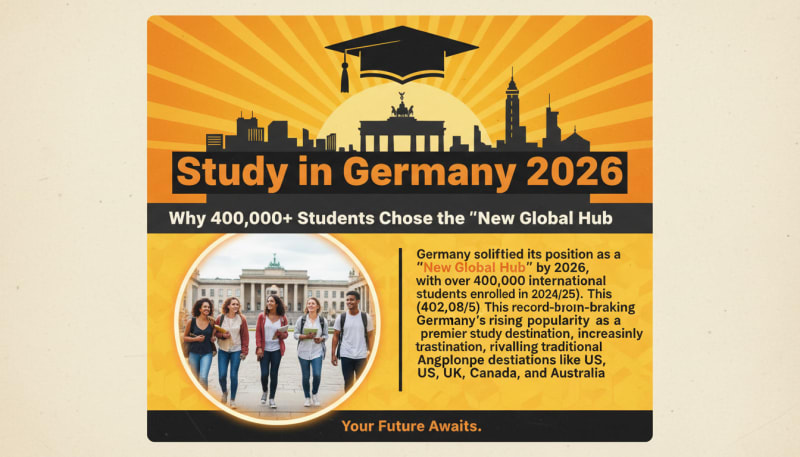
Germany solidified its position as a "New Global Hub" by 2026, with over 400,000 international students enrolled (402,083 in 2024/25). This record-breaking enrollment reflects Germany's rising popular...
In January 2026, Germany implemented a new military service law requiring all citizens turning 18 to receive a letter from the Bundeswehr. All 18-year-old men must complete a mandatory digital questio...
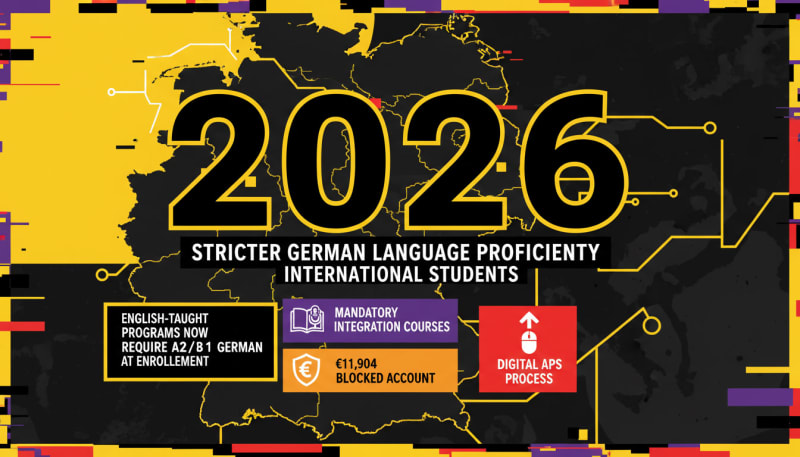
For a German student visa in 2026, you are required to have a minimum of €11,904 in a blocked account to cover your living expenses for the first year. This amount translates to a monthly allocation o...
Starting January 1, 2026, Germany implements significant increases to child benefits, tax-free allowances, and minimum wage. Monthly child benefit (Kindergeld) rises from €255 to €259 per child, while...
In January 2026, Germany launches the Early Start Pension (Frühstart-Rente), a government-backed pension fund for children aged 6 to 17. The state contributes €10 per month into an investment account ...
In 2026, Dr. Cornelia Zumbusch, Professor of Modern German Literature at the University of Hamburg, was awarded the Gottfried Wilhelm Leibniz Prize, Germany's most prestigious research funding award. ...
In 2026, the Academic Evaluation Centre (APS) in India has transitioned into a more efficient, digital-first model to accommodate record numbers of Indian students heading to Germany. The digital tran...
As of 2026, German universities are increasingly implementing stricter enrollment requirements for international students, specifically regarding basic German language proficiency even for English-tau...
In 2026, Germany has significantly expanded its portfolio of English-language Master's programs, targeting high-growth sectors like AI and Green Energy. The country now offers nearly 2,400 English-tau...
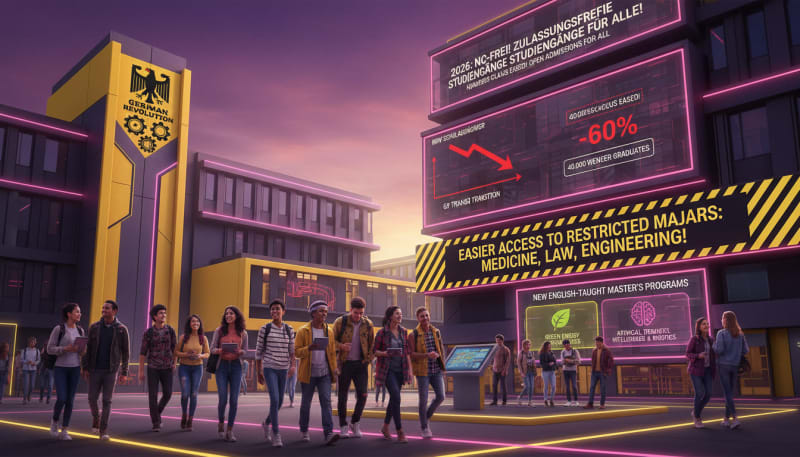
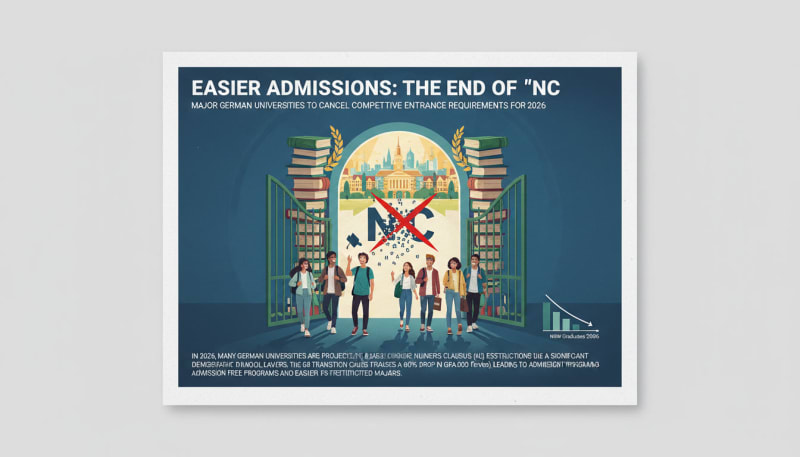
In 2026, many German universities are projected to cancel or ease Numerus Clausus (NC) restrictions due to a significant demographic "dip" in school leavers. The G9 transition causes a 60% drop in gra...
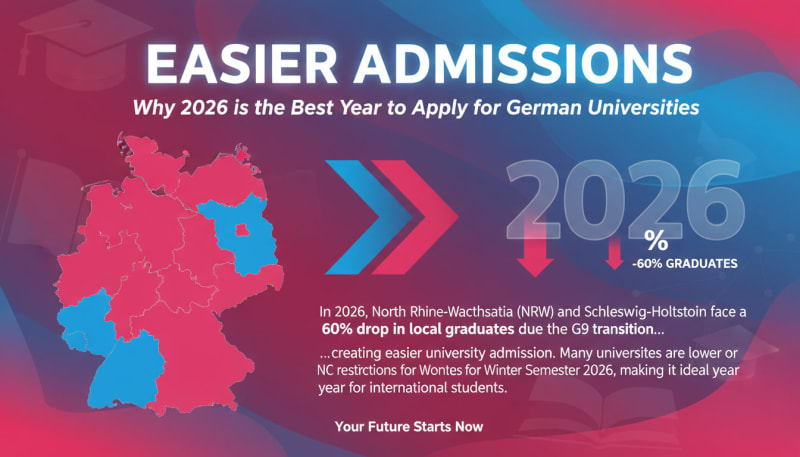
In 2026, North Rhine-Westphalia (NRW) and Schleswig-Holstein face a 60% drop in local graduates due to the G9 transition, creating easier university admission. Many universities are expected to lower ...
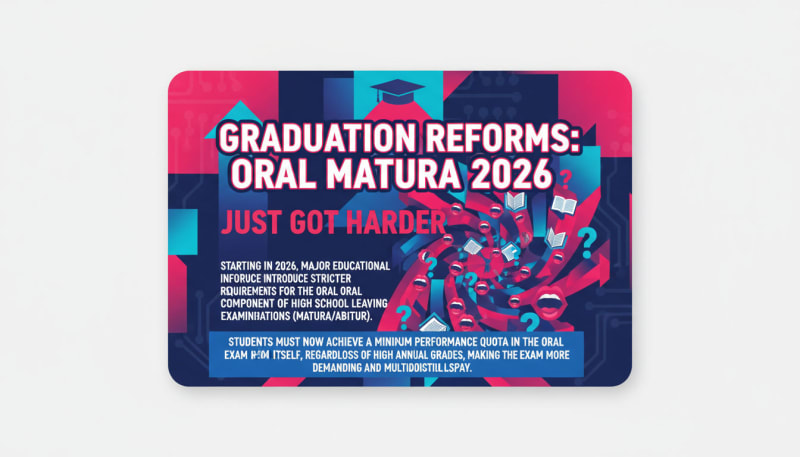
Starting in 2026, major educational reforms introduce stricter requirements for the oral component of high school leaving examinations (Matura/Abitur). Students must now achieve a minimum performance ...
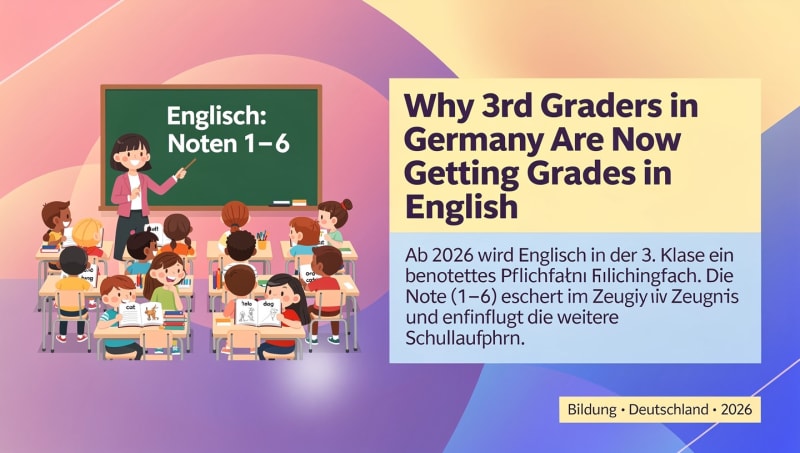
Starting in 2026, German primary schools are introducing formal numerical grades for third-grade English. The "Living Foreign Language" transitions from a compulsory exercise to a mandatory graded sub...
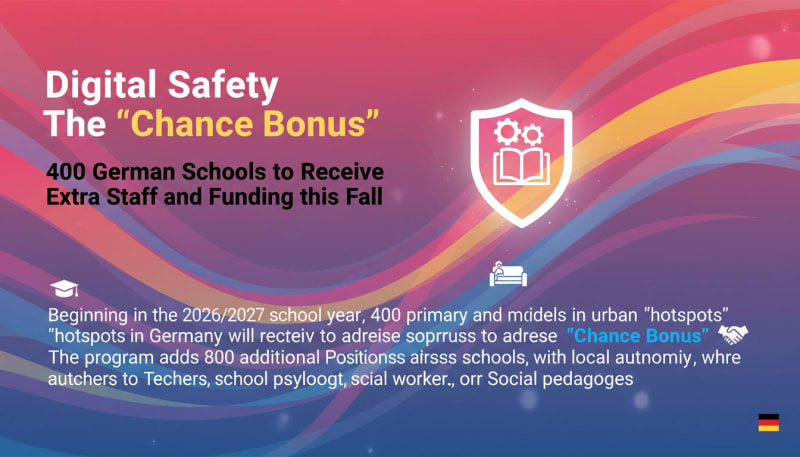
Beginning in the 2026/2027 school year, 400 primary and middle schools in urban "hotspots" across Germany will receive a "Chance Bonus" to address social disadvantages. The program adds 800 additional...
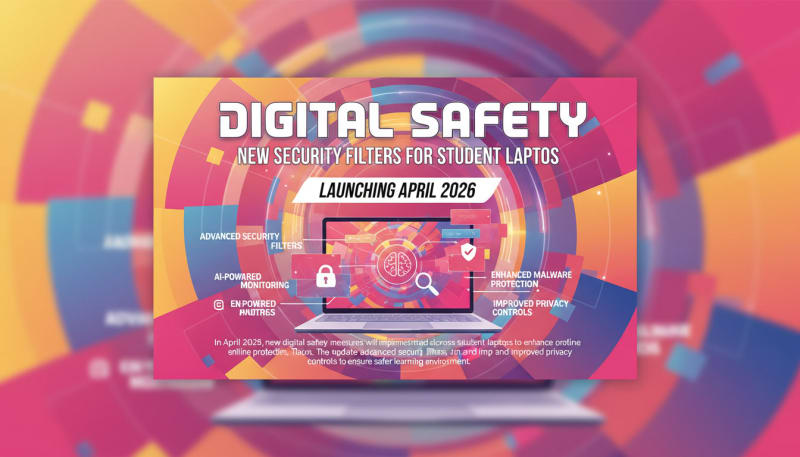
In April 2026, new digital safety measures will be implemented across student laptops to enhance online protection. The update includes advanced security filters, AI-powered monitoring, enhanced malwa...
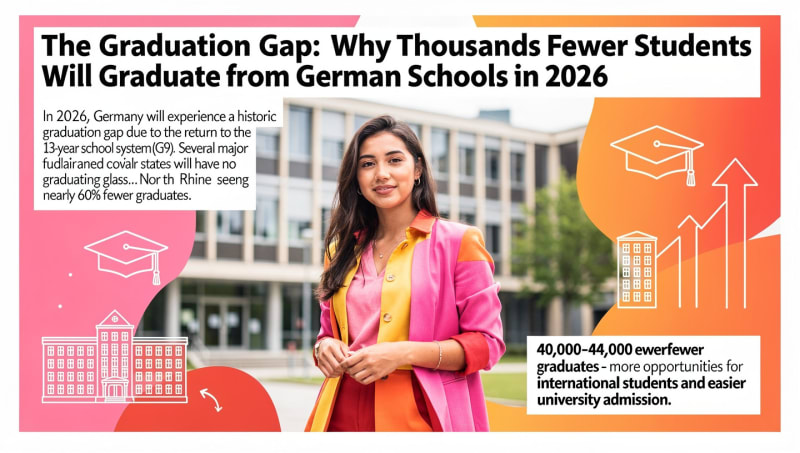
In 2026, Germany will experience a historic "graduation gap" due to the return to the 13-year school system (G9). Several major federal states will have no regular graduating class, with North Rhine-W...
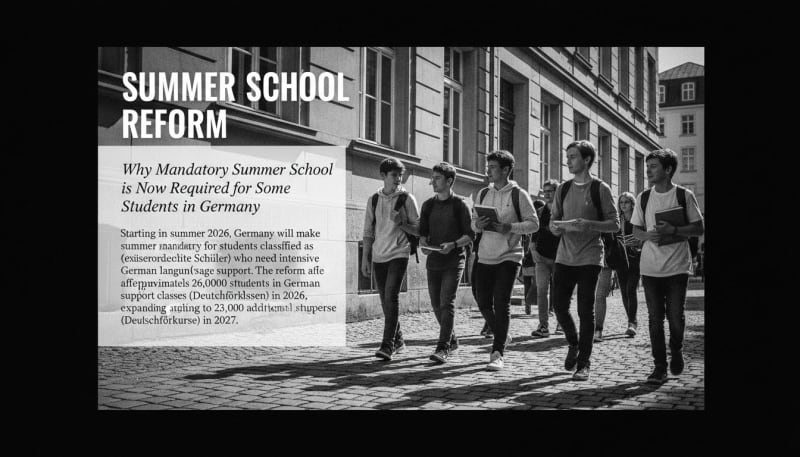
Starting in summer 2026, Germany will make summer school mandatory for students classified as "extraordinary" (außerordentliche Schüler) who need intensive German language support. The reform affects ...
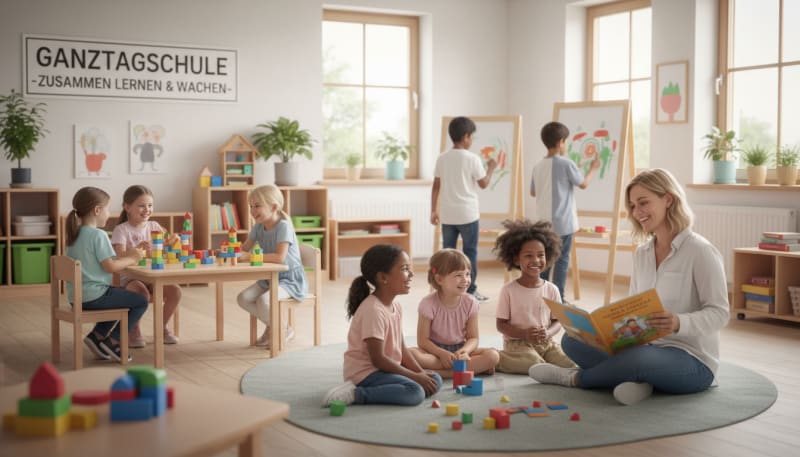
Starting August 1, 2026, all first-grade children in Germany will have a nationwide legal right to eight hours of childcare per day, five days a week. This entitlement, established under the All-Day S...
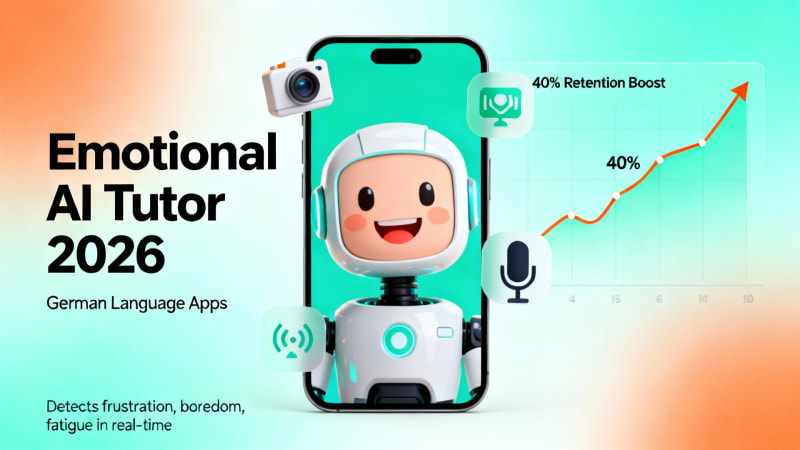
As of Q2 2026, AI emotion tutors for German have launched, using facial recognition and voice analysis to detect frustration, boredom, and fatigue. Discover how these emotionally intelligent apps adap...
Starting in late 2026, the European Travel Information and Authorization System (ETIAS) becomes mandatory for visa-free travelers to Germany. Learn how this €20 digital authorization affects internati...
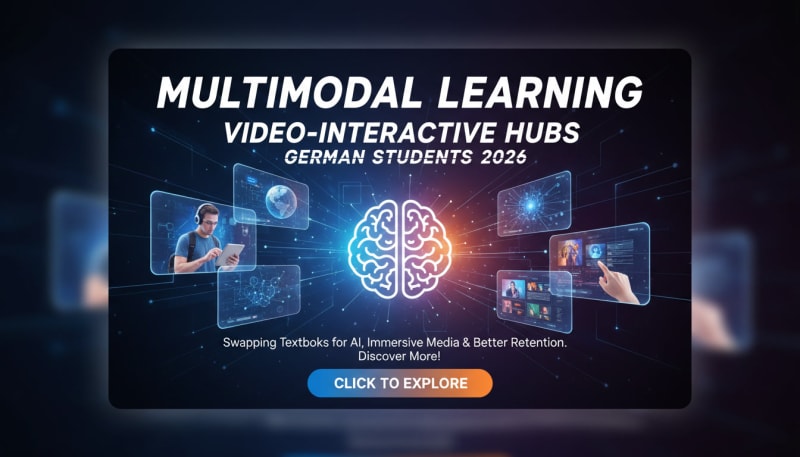
As of Q2 2026, multimodal literacy has moved to center stage in German language instruction. Discover why students are replacing textbooks with video-interactive hubs, AI co-teachers, and immersive me...
As of Q2 2026, the German education sector has officially pivoted to blockchain-verified credentials. Discover how digital, tamper-proof certificates are transforming how students and professionals pr...
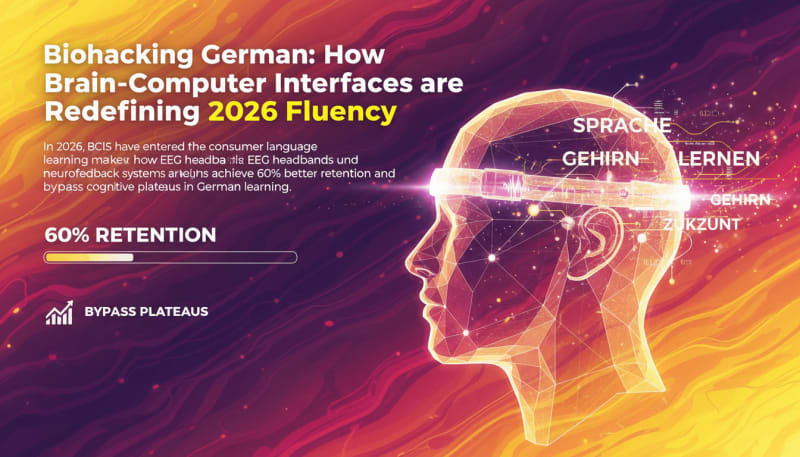
In 2026, brain-computer interfaces (BCIs) have entered the consumer language learning market. Discover how EEG headbands and neurofeedback systems are helping learners achieve 60% better retention and...
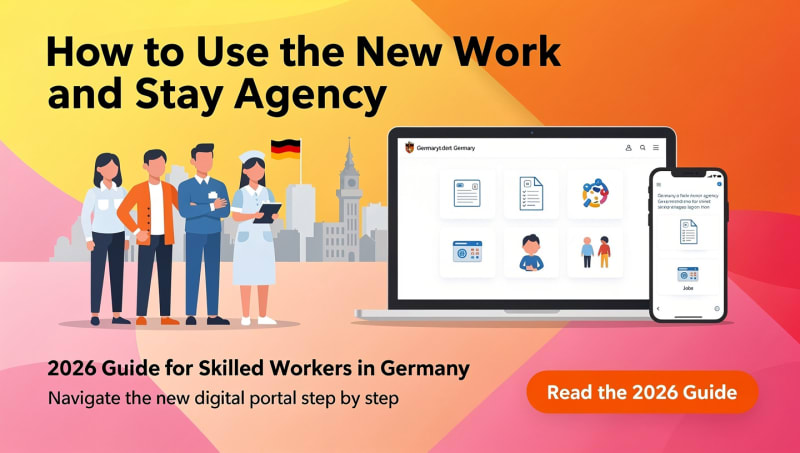
Germany has officially launched its central Work and Stay Agency (WSA) as a digital one-stop-shop to streamline skilled immigration. This initiative addresses a critical labor shortage of 240,000 work...
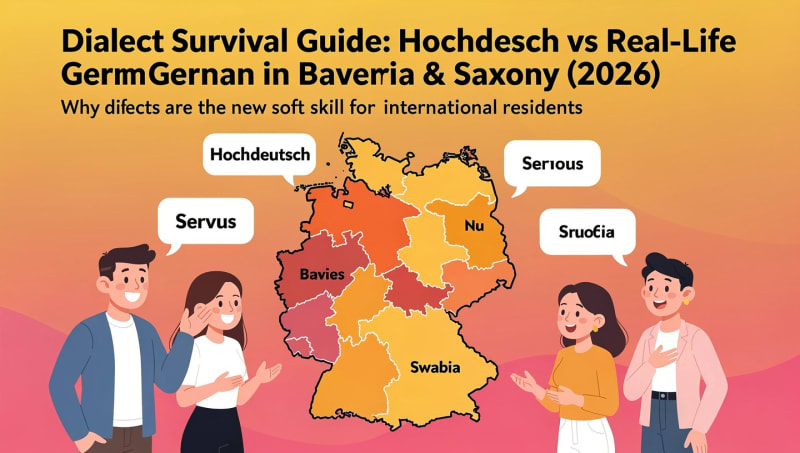
In 2026, mastering Hochdeutsch is no longer enough for deep social or workplace immersion. Understanding local dialects has become a vital "soft skill" for international residents. Discover key differ...
As of early 2026, demand for German for Specific Purposes (GSP) has surged, driven by Germany's 1.5 million vacant positions and ambitious "Energiewende." Discover specialized German training for IT, ...
As of early 2026, podcast-based language learning has surged by 40% year-over-year. Discover how to transform commutes, gym sessions, and household chores into productive German learning time with top...
BERLIN, January 2026 – A new linguistic study reveals how German youth language has evolved, leaving traditional textbooks behind. Discover the top 10 slang words of 2026, regional variations, and whe...
In 2026, German content on Netflix has expanded significantly, offering learners diverse options to match their CEFR proficiency levels. Discover top series from A1 to C2, including Love Is Blind: Ger...
As of early 2026, fresh linguistic research highlights that the "B1 Plateau" remains the most significant hurdle for German students. Nearly 40% of intermediate learners report a perceived halt in pro...
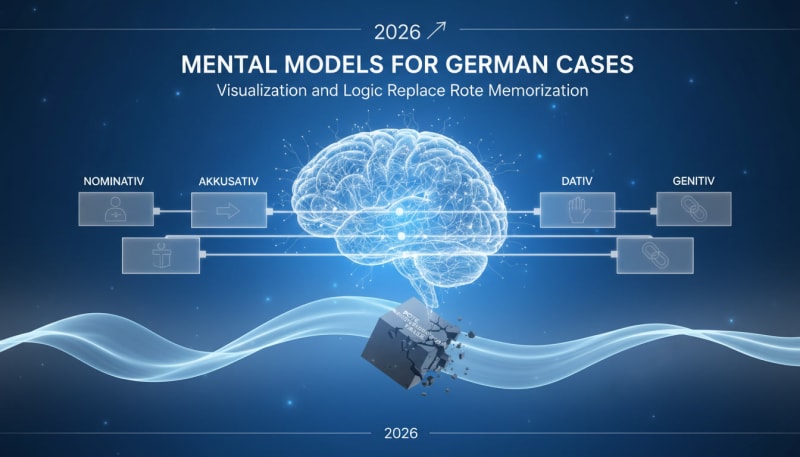
In 2026, German language learning is shifting away from traditional table-based memorization toward mental models and logical visualization. These methods treat cases not as rigid rules to memorize, b...
New 2026 neuroscience research reveals how learning German's complex syntax physically changes brain structure. Studies show increased gray matter density, enhanced white matter integrity, and improve...
As of 2025 and heading into 2026, the traditional boundaries of German professional hierarchy are undergoing a significant shift. The age-old dilemma of choosing between the informal "Du" and the form...